Public administrations are often perceived as slow-moving, hierarchical, and resistant to innovation. But a closer look reveals this: precisely where many people work together, there is enormous potential for cultural change. In two of my recent projects – one with the German Federal Ministry for Digital and Transport (BMV), and one with the City of Wuppertal – I supported transformation processes that required both structural and cultural change. Despite different starting points, both projects shared a common goal: to actively involve people in the change process and to foster communication on equal footing.
1. Context & Challenge
Project 1: BMV – Strategic HR Development for the Digital Transformation
The BMV aims to strategically support its digital transformation through modern HR development. In the project “HR Development for the Digital Transformation of the Working World,” the ministry collaborated across departments with the Federal Ministry of Justice. The goal was to foster an agile mindset and strengthen competencies for new forms of collaboration. This included designing innovative learning and participation formats.
Project 2: City of Wuppertal – Cultural Change During the Move to the Former Federal Railway Directorate (BuBaDi)
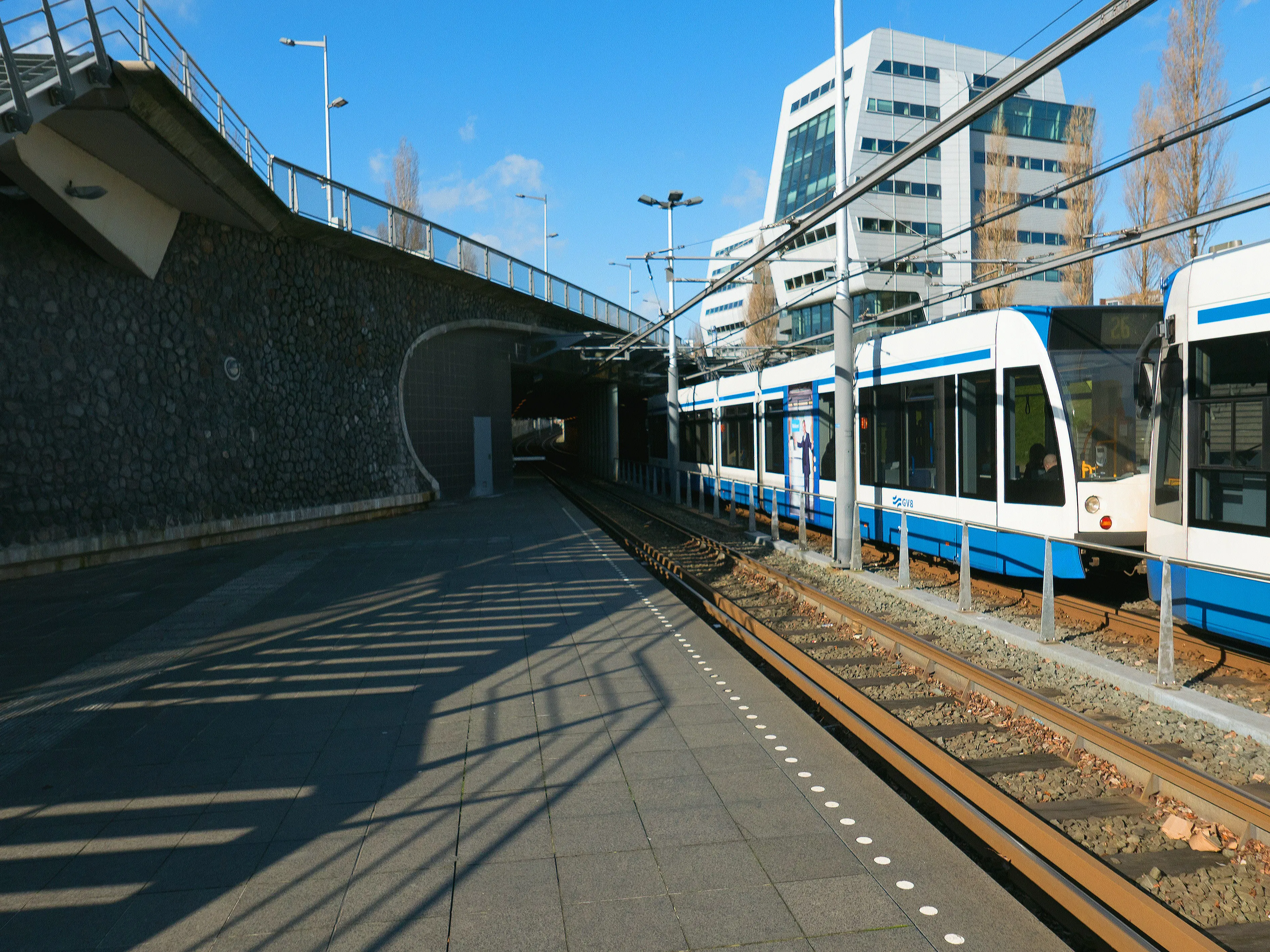
Since 2023, the City of Wuppertal has been preparing for a major relocation to the former Federal Railway Directorate building. Beyond logistical considerations, the move entails profound change: open desk-sharing, paperless workflows, and a new working community involving the Job Center and local university. Different administrative cultures are converging. The project required strategic cultural support and leadership empowerment throughout the transformation.
2. My Methodological Approach: People at the Center
In both projects, I applied a human-centered, systemic approach. The focus was not solely on structures, but also on mindsets, communication, and collaboration.
I used the following interventions in the respective projects:
At the BMV:
The common thread: Change succeeds when people feel seen. Participation, dialogue, and clarity around roles create a sense of security – even in complex transitions.
Of course, there were also challenges in the projects. I would like to give a specific example in each case and explain how I dealt with them.
At the BMV, the first step was to find out who the most important knowledge carriers and stakeholders were, and I also wanted to find out what had already been tried to establish new ways of working. It was interesting for me to discover what worked well and what didn't. During the discussions, it turned out that there were certain people who had a lot of valuable knowledge about the history of HR development measures due to their many years of service and who were also strong opinion leaders. My aim was to invite different knowledge and opinion leaders to a strategic workshop and bring them together. My sparring partner in the Federal Ministry was skeptical as to whether so-called opponents might boycott the project and should rather not be invited. At this point, it was my job as a consultant to be persuasive and take an impartial stance. My favorite phrase for such situations is: “Resistance is honorable feedback.” It was important to me to invite the so-called opponents of the project in order to appreciate their point of view and to include possible, justified objections. The relationship of trust I had built up with my contacts beforehand helped me to involve them. The people who were mainly skeptical about the project were heard and some of their resistance was reduced because they felt they were taken seriously and seen.
In Wuppertal, it was a challenge that some managers were very skeptical about the transformation and had a personal resistance to the planned move and the new work culture that came with it. At the same time, they had to drive the change forward and take their skeptical colleagues with them and prepare them for the transformation. On behalf of the city, I conducted change management training sessions with team leaders and managers. Aware of the resistance, I only partially used the training sessions to impart knowledge. My focus was particularly on getting colleagues to share their concerns and fears. To do this, I used the peer case consultation, introduced the content along the lines of objections as solution strategies and ensured that those responsible for the change project were personally available for an hour for questions and answers. This allowed resistance, worries and fears to be reduced. At the same time, collective ideas were developed on how the managers can master the transformation with their teams.
3. Overall Impact & Learnings
At the BMV:
My personal learnings:
- Even in conservative structures, new forms of collaboration can flourish – if space for genuine participation exists
- Interventions must be concrete, accessible, and dialogue-driven
- A good format is one that gets people talking and acting, or at least reduces resistance.
4. Key Takeaways that I want to share for Fellow Freelancers
- Learn to read cultures: Whether startup or government agency – every project operates within an invisible cultural logic. Recognizing it is key to making an impact. Beyond cultural transformation experiences, empathy, consciousness, curiosity, and active listening are essential skills. My mantra: „First the diagnosis, then the prescription.“
- Use participation strategically: Participation doesn’t mean grassroots democracy by default. It’s about creating safe and effective frameworks for contribution. That includes impartiality, trust, and openness. My mantra: “Resistance is honorable feedback.”
- Small formats, big impact: A one-hour impulse can spark conversations that resonate for months. Especially in large organizations, micro-interventions require courage – and they pay off. My mantra: „One baby step at a time."
- Language shapes change: How we talk about work, transformation, and collaboration influences how we act. My mantra: „Thoughts become words, become actions, become the future.“
- Build networks: Project leads, stakeholders, peer groups – bridge communication makes synergies visible and usable. My mantra: „Achieving impact through collective impact."
5. Conclusion & Outlook
Two projects, two administrations, two transformations – and one shared insight:
Cultural change needs structure. Structural change needs culture. As executive consultants, this is precisely where we can make a difference. I look forward to more projects where challenges evolve into new forms of collaboration. Public administration is a place of opportunity – if we choose to see it that way.