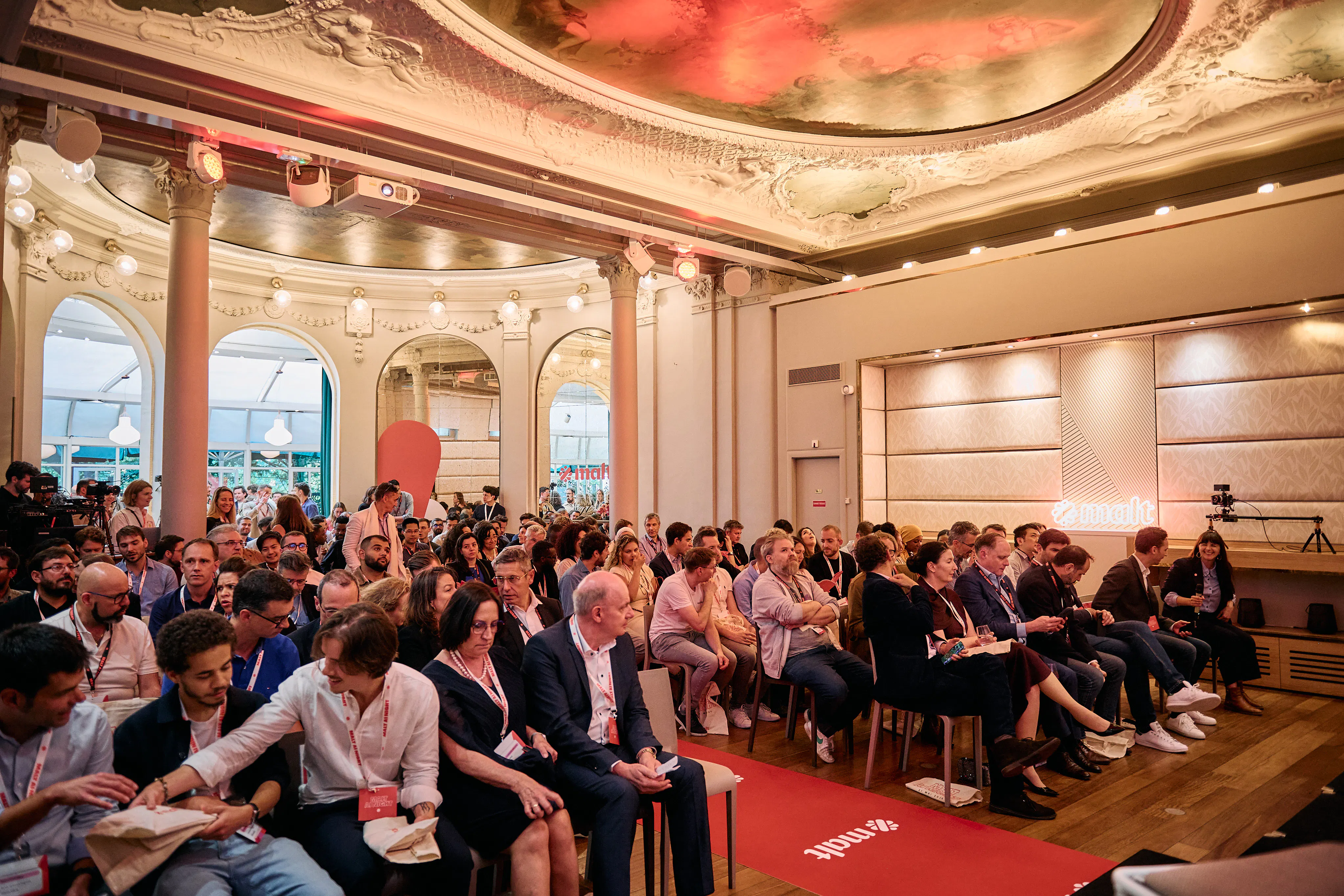
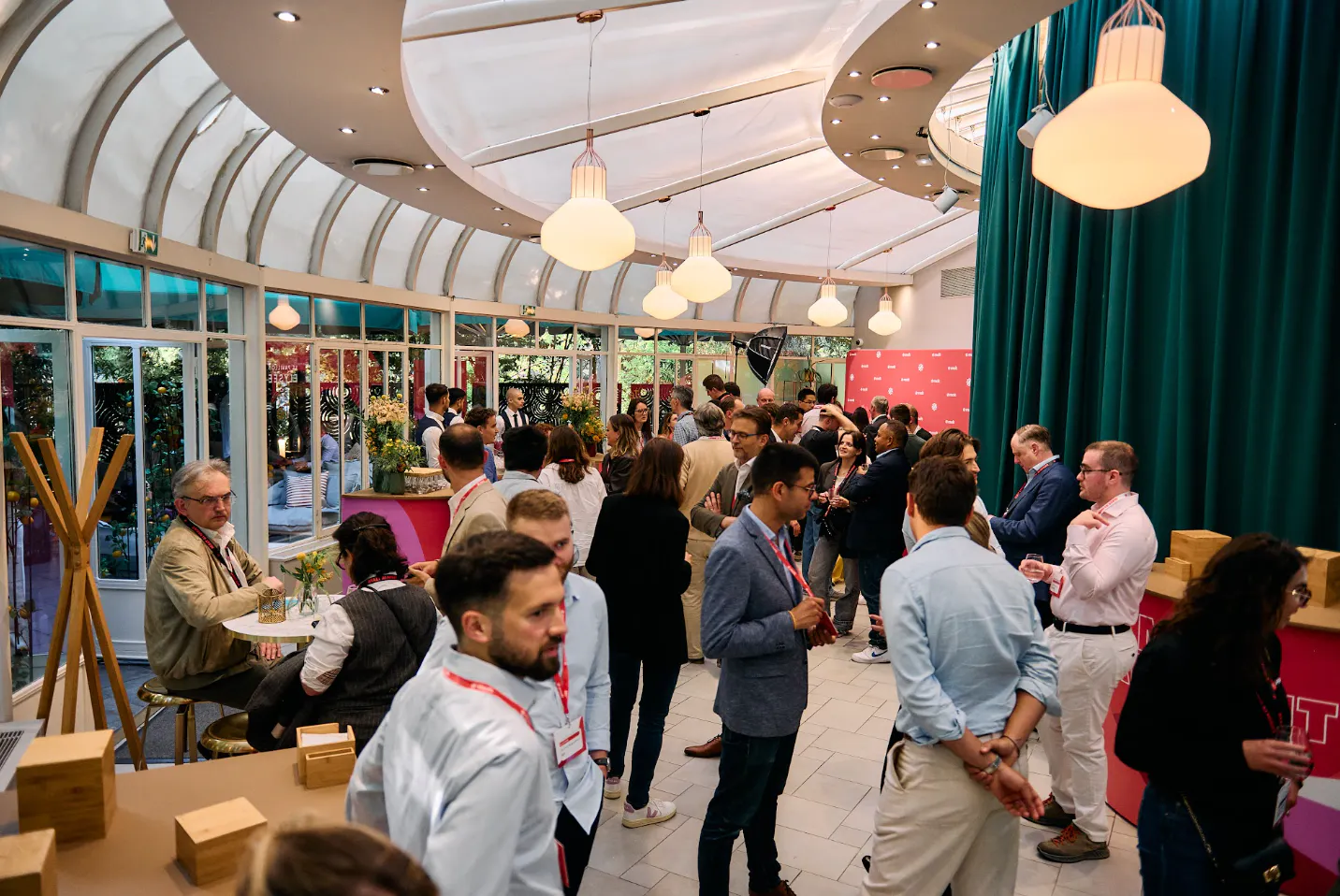
When Paris’s Pavillon Élysée T was built for the 1900 World’s Fair (L’Exposition Universelle), it was designed for one specific purpose: to shock the world with the future. Over 51 million people gathered there to witness technologies that felt completely unsettling at the time—escalators, electric cars, and films with sound.
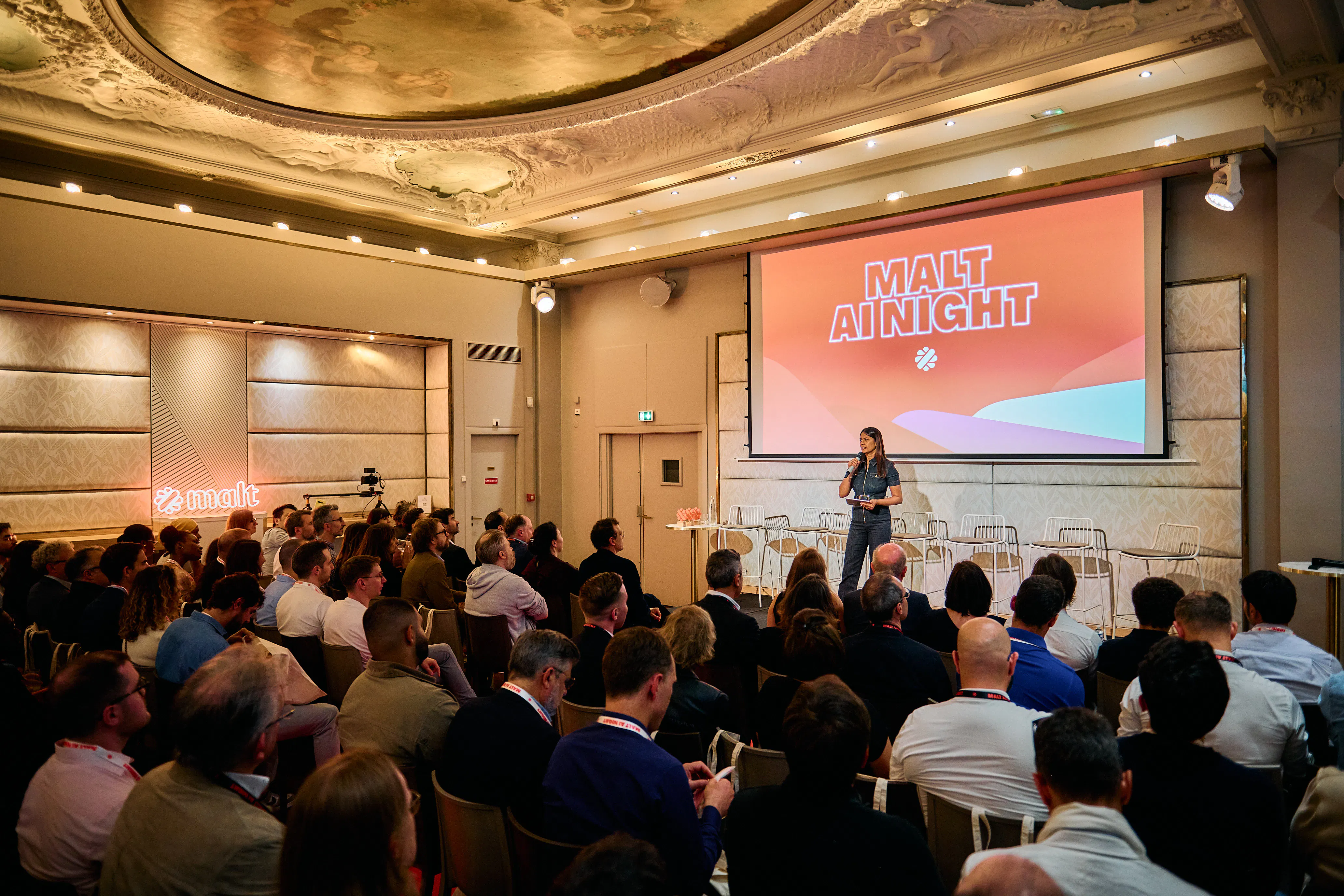
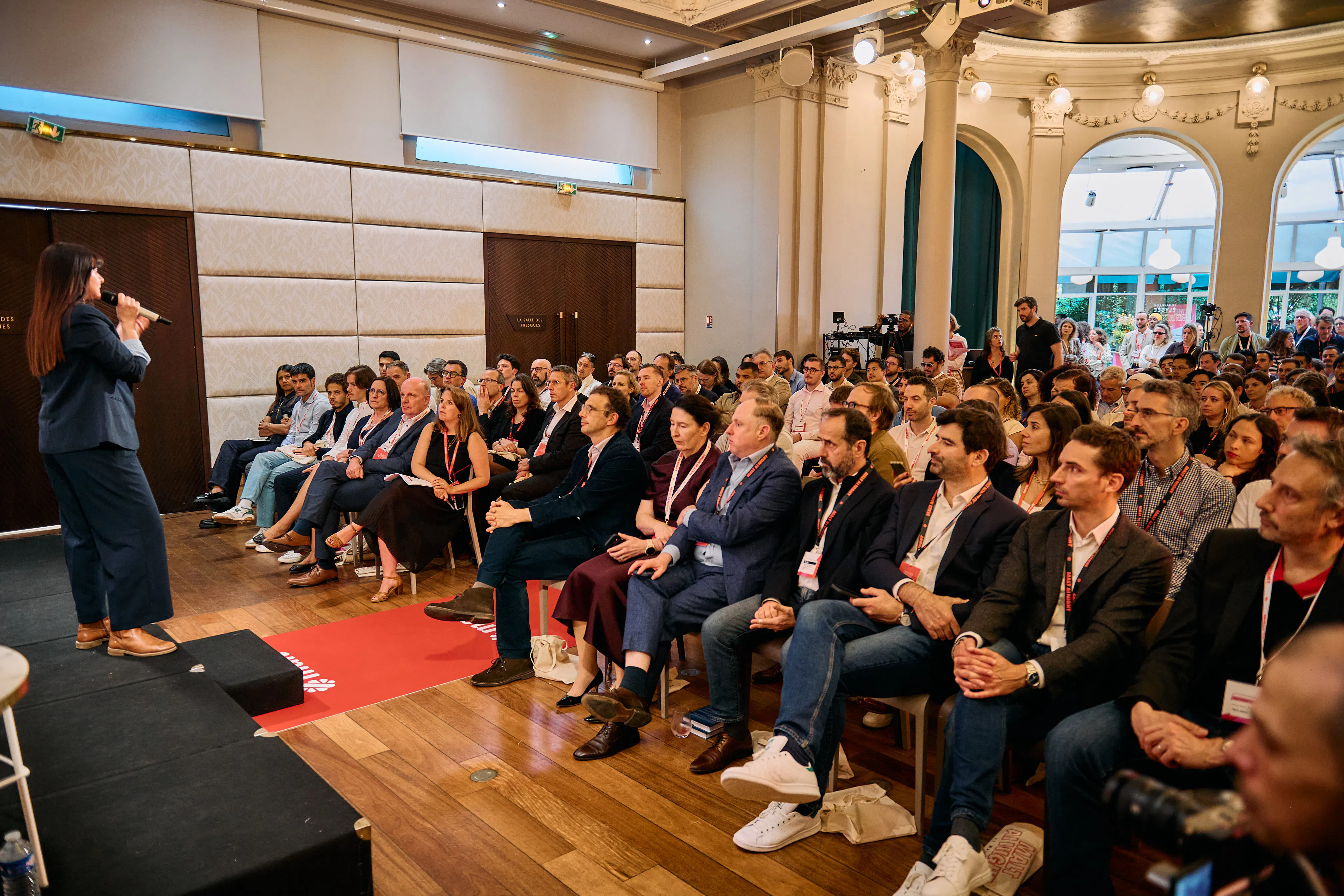
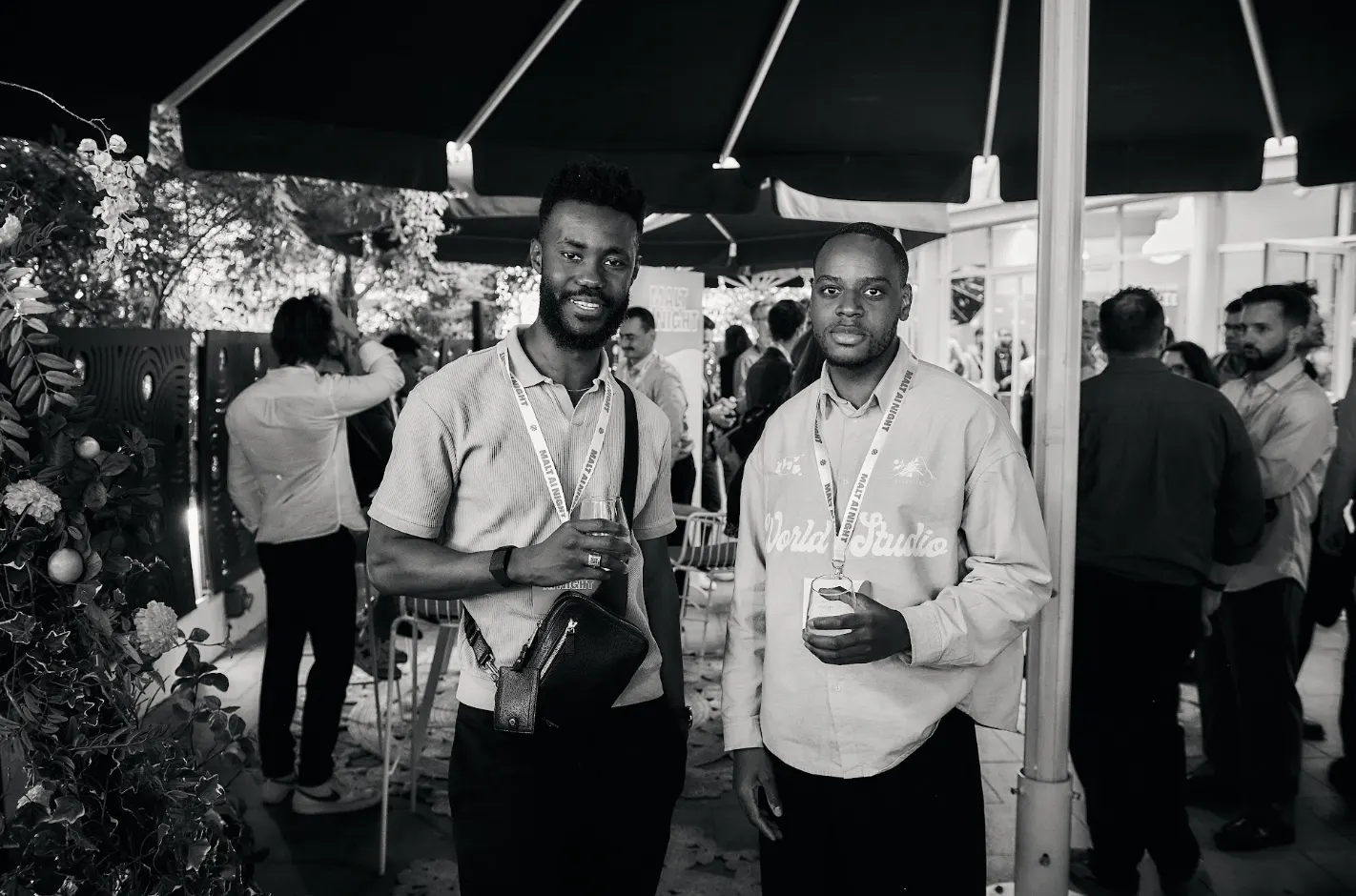
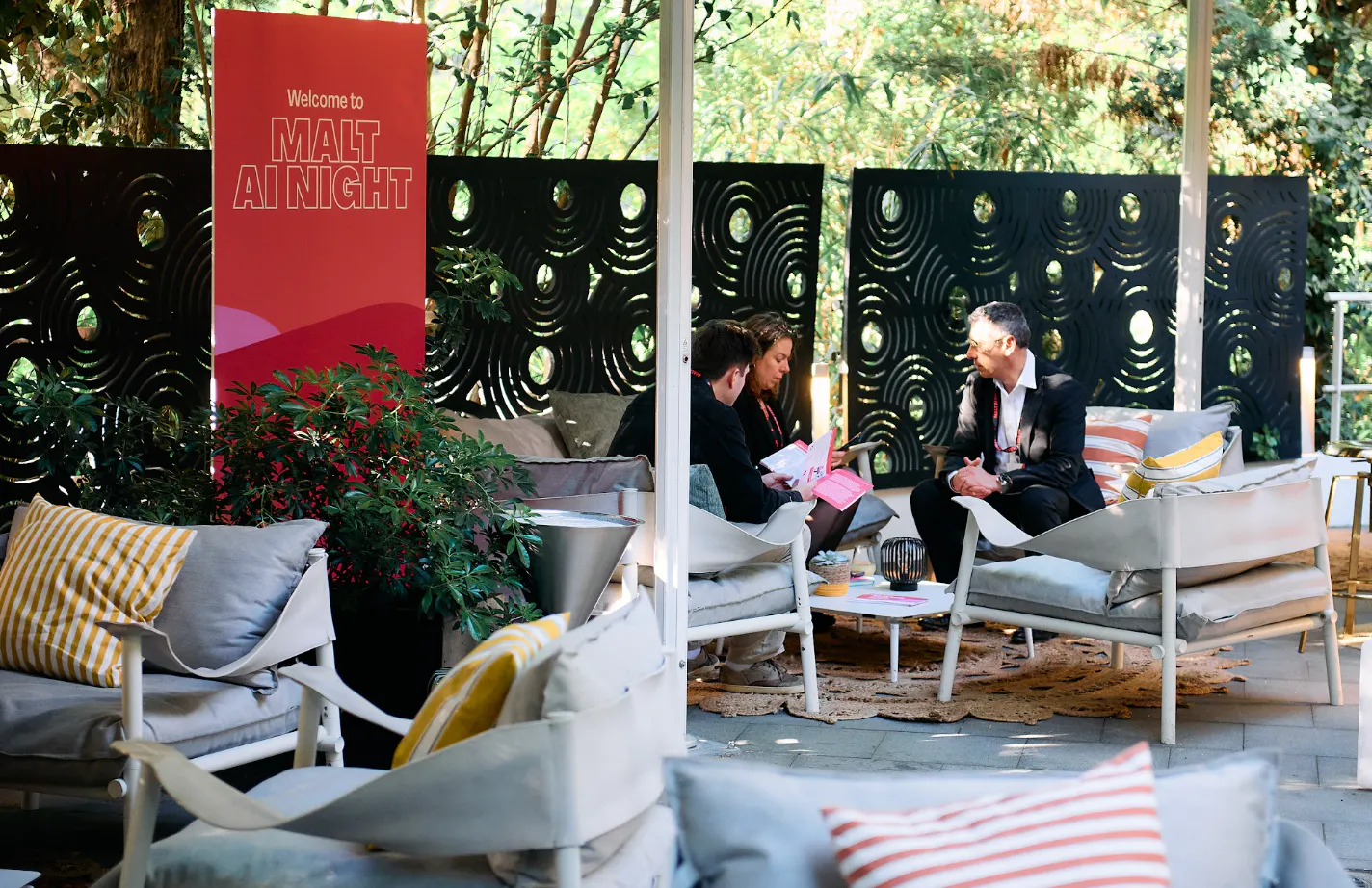
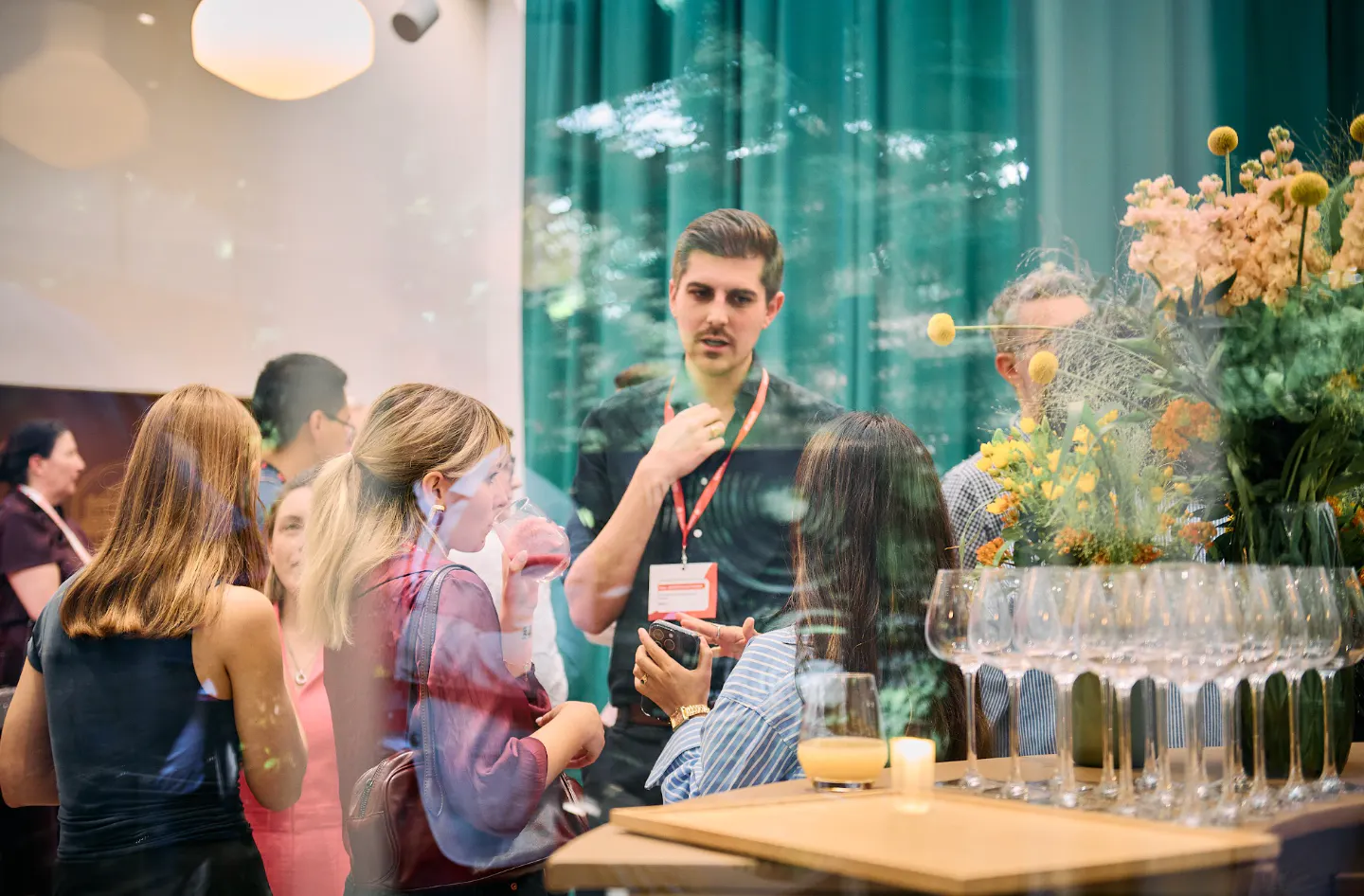
On May 21, 2026, Malt took over this historic landmark to pull off a massive industry first: an evening where clients and freelancers on the front lines of AI came together to celebrate their successes and their most inspiring innovations, the first-ever Malt AI Night.This wasn't just another tech conference or a casual networking cocktail. By gathering over 150 C-suite executives from global giants like LVMH, AXA, Google, and Eurazeo alongside Europe's elite independent AI experts, the evening drew a clear line in the sand: the future of AI execution will not be built in isolated corporate silos, but through a dynamic, fluid ecosystem of independent talent.
With this event, Malt has fundamentally shifted its positioning: we are no longer just a talent marketplace; we are the strategic orchestrator of Europe's AI execution.
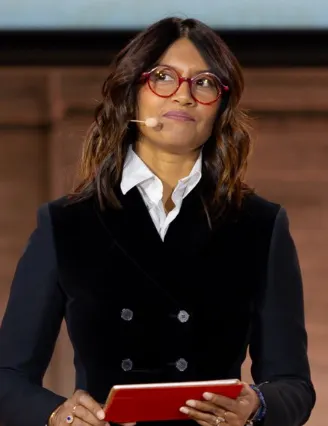
As host Asha Sumputh boldly stated in her opening remarks:
1. Breaking through 'Stagnant Thinking': The shift toward organizational agility
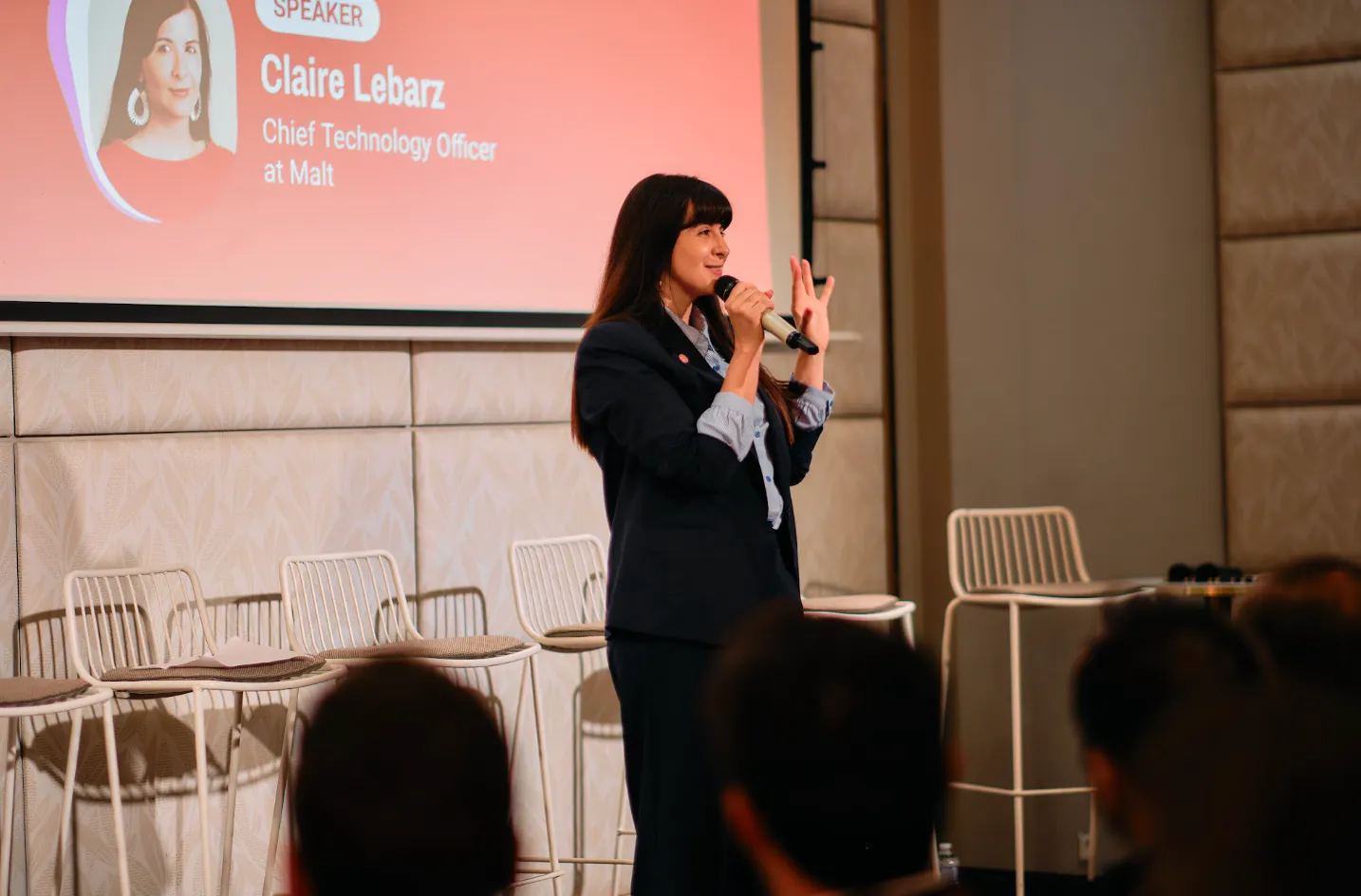
The tech landscape is moving much too fast for traditional hiring structures. In her opening keynote, Malt’s CTO, Claire Lebarz, delivered a bold manifesto challenging the status quo of corporate resource allocation.
"The biggest threat to companies is not AI. It's stagnant thinking. Stagnant thinking is treating your capabilities as fixed:fixed roles, a fixed set of skills, a fixed idea of who does the work and how the work gets sourced. That's when your org chart becomes the bottleneck, not your technology." — Claire Lebarz, CTO of Malt.
This "stagnant thinking" is directly debunked by the data points found throughout the 2026 Malt Tech Trends Report, Europe's largest independent tech data index. The pace of market adoption underscores a dizzying speed of change that traditional recruitment simply cannot match:
- A surge increase of x60 in enterprise demand for agentic technology and orchestration skills over twelve months.
- Growth to the tune of 14x for projects using the open automation platform n8n, now directly rivaling Java in search volume.
- A sharp 20% to 30% drop in profile highlights for historically dominant developer skills like JavaScript and Python, representing a profound redistribution of expertise toward LLM production-grade frameworks.
And to survive this shift, Claire Lebarz introduced the concept of Intelligence Liquidity:
2. AI for all, agentic boom, and the financial reality: Three shifts reshaping the enterprise frontier
The replay
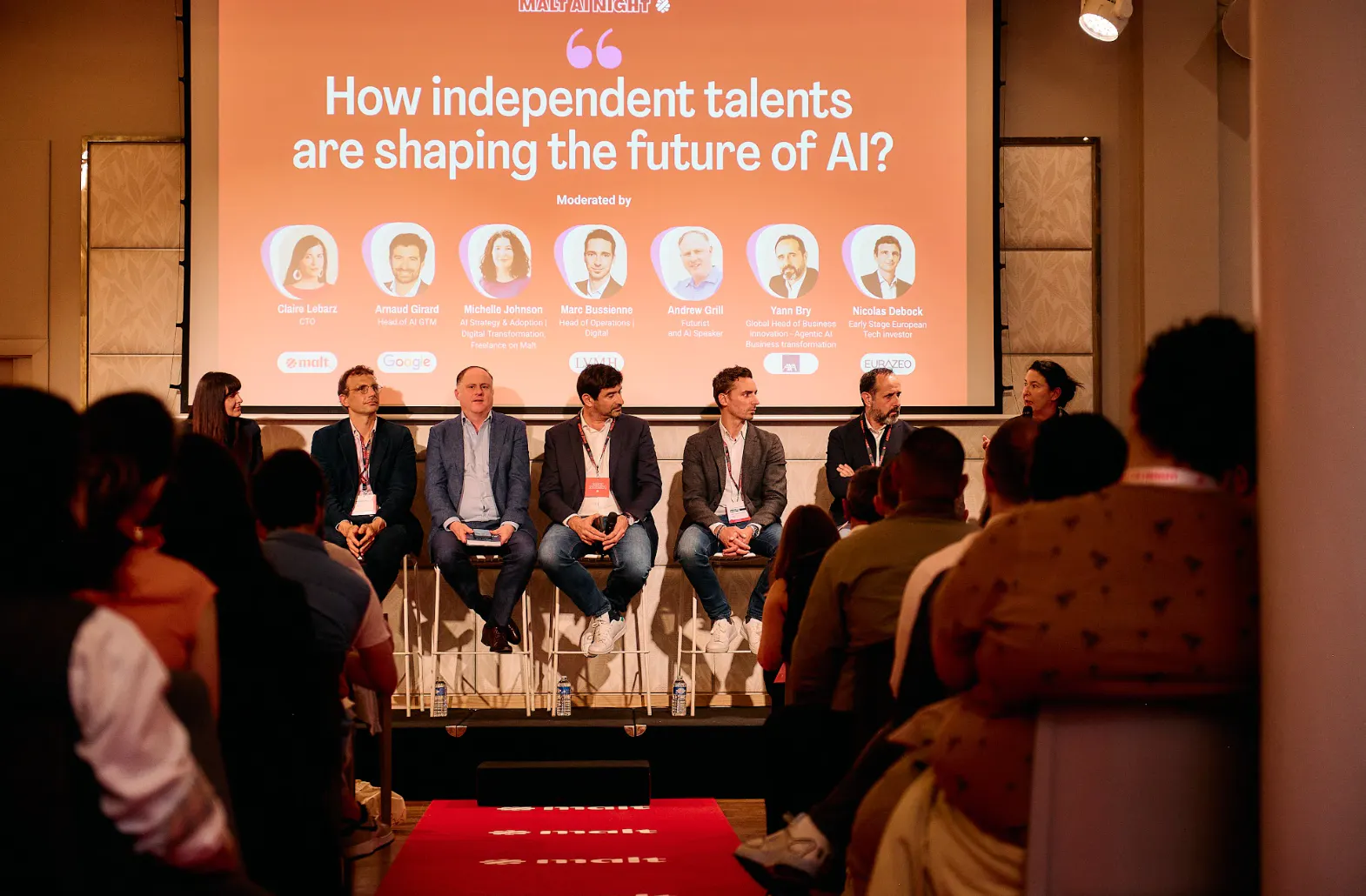
To transition from high-level data trends to operational applications, Claire Lebarz hosted a world-class jury panel representing enterprise buyers, cloud providers, builders, and venture capital investors.
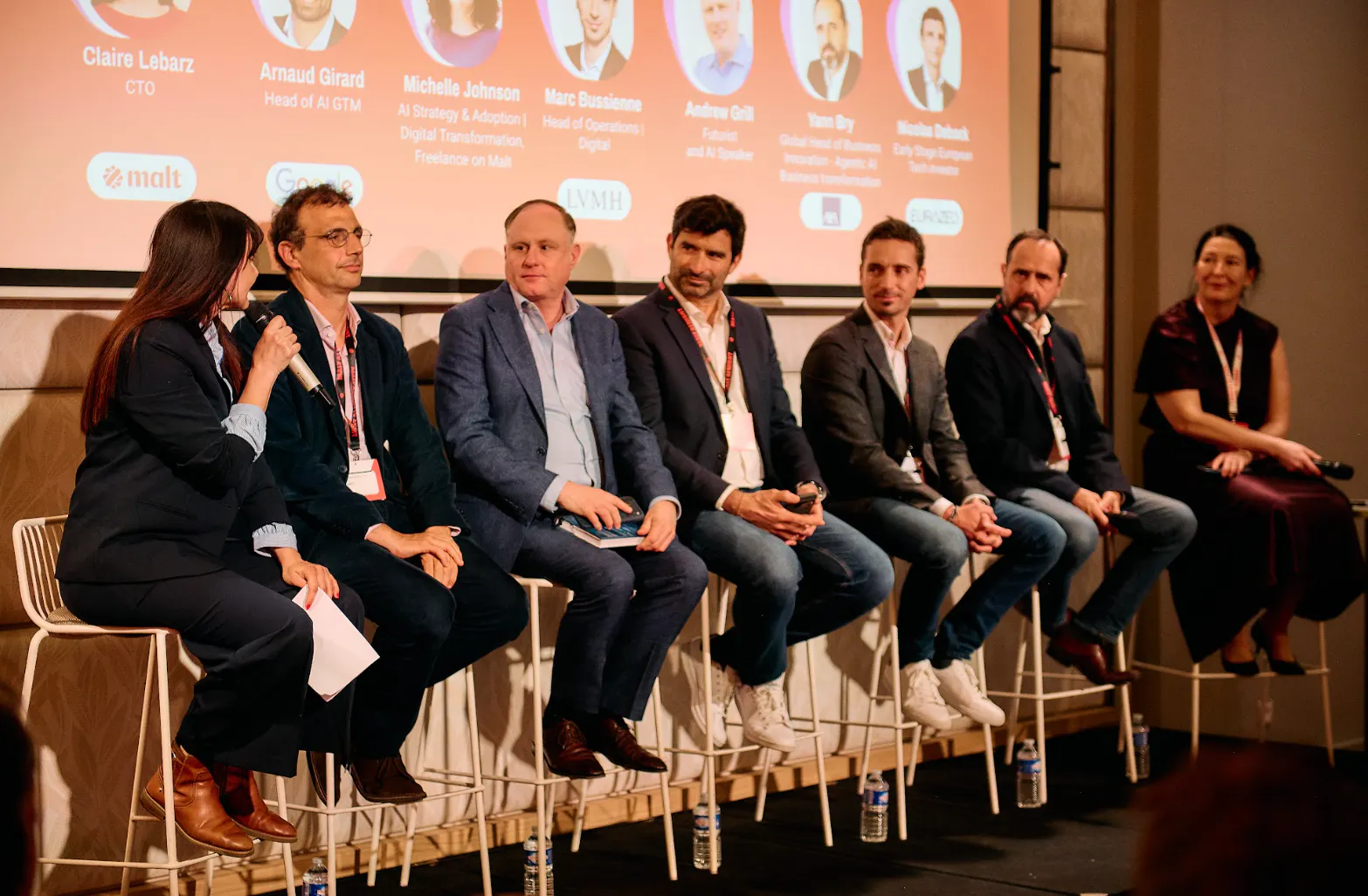
A. The skill shift: removing the "Tech" tag from AI
The Malt Tech Trends data revealed a 22% rise in non-technical project briefs (across HR, Marketing, Operations, and Consulting) where AI is now listed as a baseline, mandatory capability.
Michelle Johnson, a leading AI Strategy Consultant on Malt, emphasized that standard business operations are pacing far ahead of isolated engineering labs:
Representing the peak of global luxury, Marc Bussienne, Head of Operations - Digital at LVMH, detailed how a portfolio of 75 historic brands balances cutting-edge tech with absolute craftsmanship through a principle of "quiet tech":
B. Emerging agentic maturity: from assistants to operating models
The panel moved to the next major technical paradigm: transitioning from simple conversational chatbots to autonomous software agents capable of executing complex business logic.
Yann Bry, Global Head of Business Innovation - Agentic AI Business Transformation at AXA, laid out the structural stakes for highly regulated, data-heavy industries like insurance:
To scale this responsibly without workflow drift, Yann Bry noted that AXA centralizes tooling, risk classification, and prompt-version protocols into a single corporate Agentic Hub.
Arnaud Girard, Head of AI GTM at Google Cloud, provided the infrastructure counterweight, arguing that the greatest limitation to this vision isn't the model itself, but what he termed the "Context Wall":
C. The cold reality of the AI bottom line
With a 72% increase in project demand for FinOps and an 83% spike in data sovereignty briefs documented by the Malt Tech Trends report, the era of unchecked AI experimentation has officially ended.
Data proves that for companies, independence is critical for growth. Bringing external AI experts into core teams unlocks more innovation, more creativity, and more 'what if?' questions that push operational boundaries.
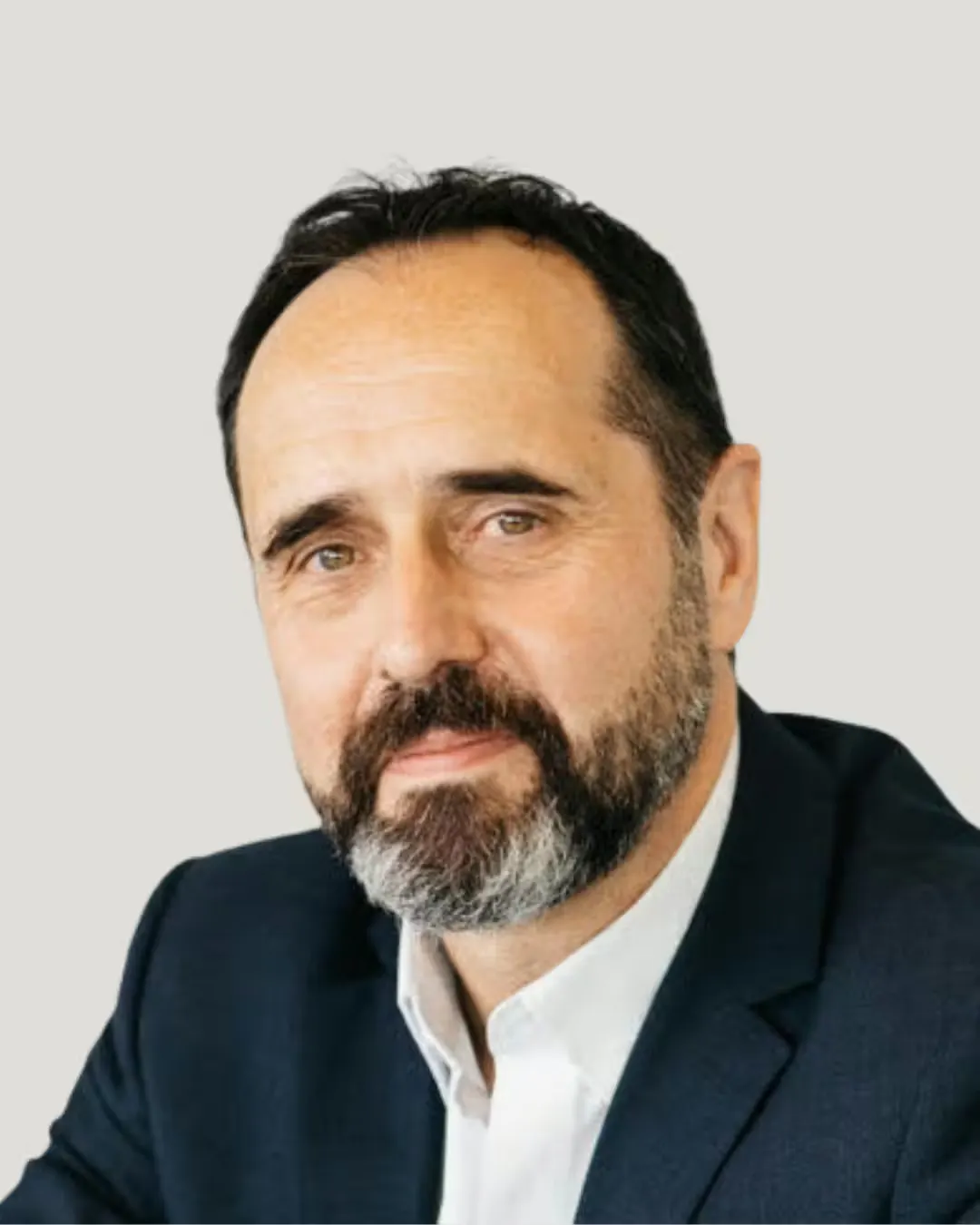
Nicolas Debock, an Early-Stage European Tech Investor at Eurazeo, highlighted a fundamental shift in how venture capital evaluates tech-driven organizations:
Andrew Grill, a prominent Futurist and AI Speaker, summarized the practical operational friction points currently stalling enterprise adoption, highlighting data maturity and workflow redesign as the primary hurdles:
Addressing the "sovereignty paradox," Andrew Grill argued that while 83% of firms state a desire for sovereign platforms, their immediate priorities are control, predictability, and safety. He predicts a future dominated by a "hybrid sovereignty" model, where strict local data governance layers sit cleanly on top of global hyperscaler infrastructure.
3. From code to industrial reality: meeting the winners of the Freelancers Got AI Talent Awards
For innovation to scale, raw talent needs more than just freedom—it requires structure, strategic trust, and immediate operational momentum. This is exactly the framework Malt has built across Europe: a trusted ecosystem that connects forward-thinking companies with the elite minds capable of moving deployment pipelines forward, faster.
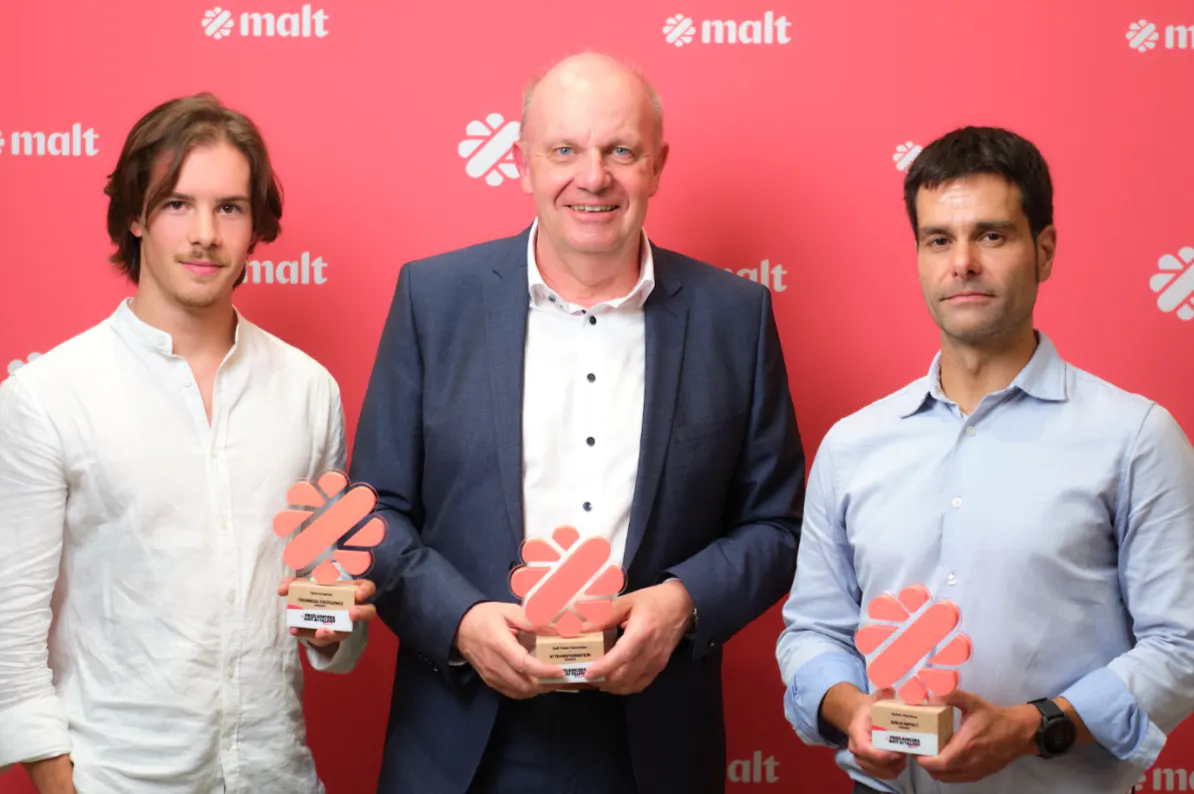
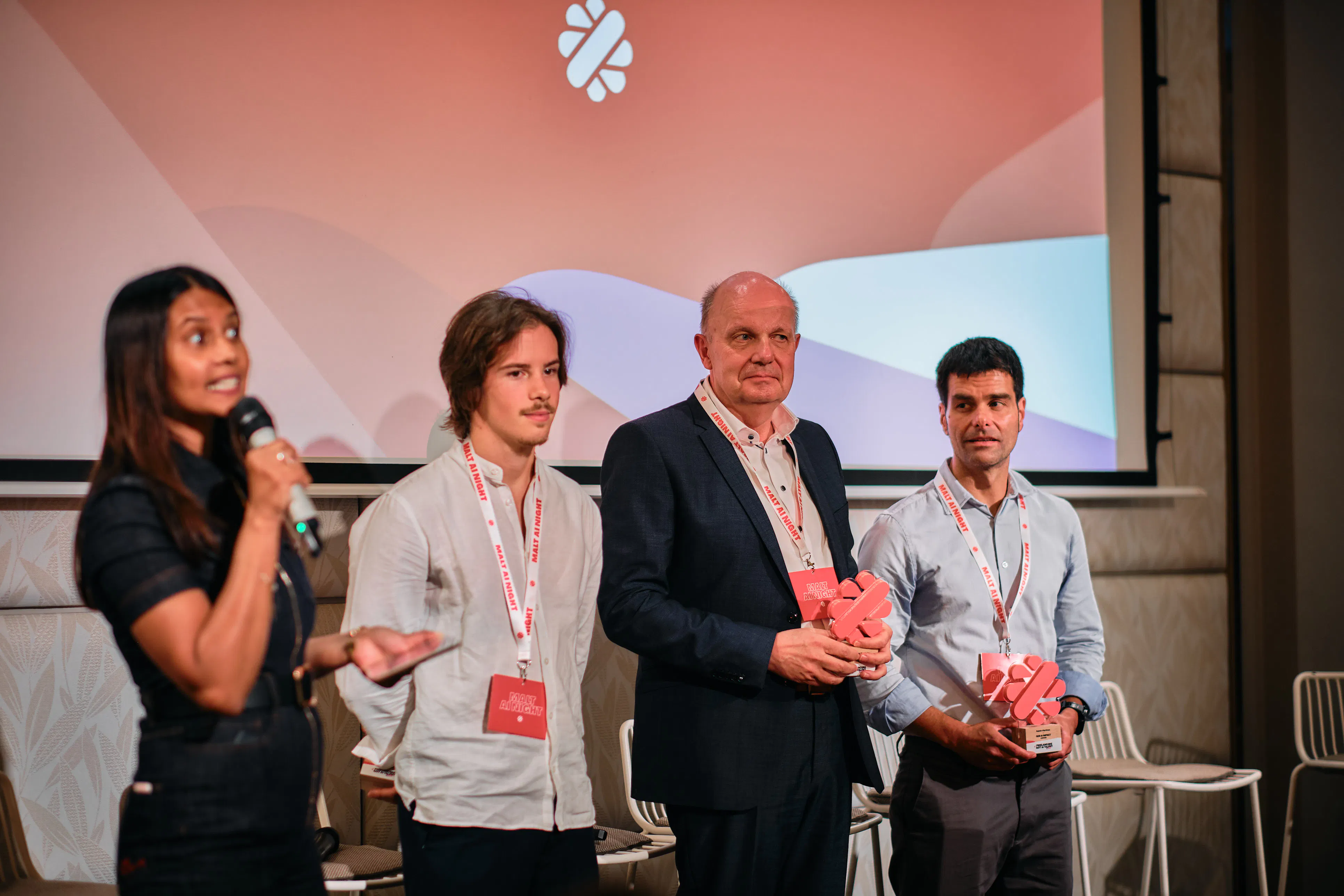
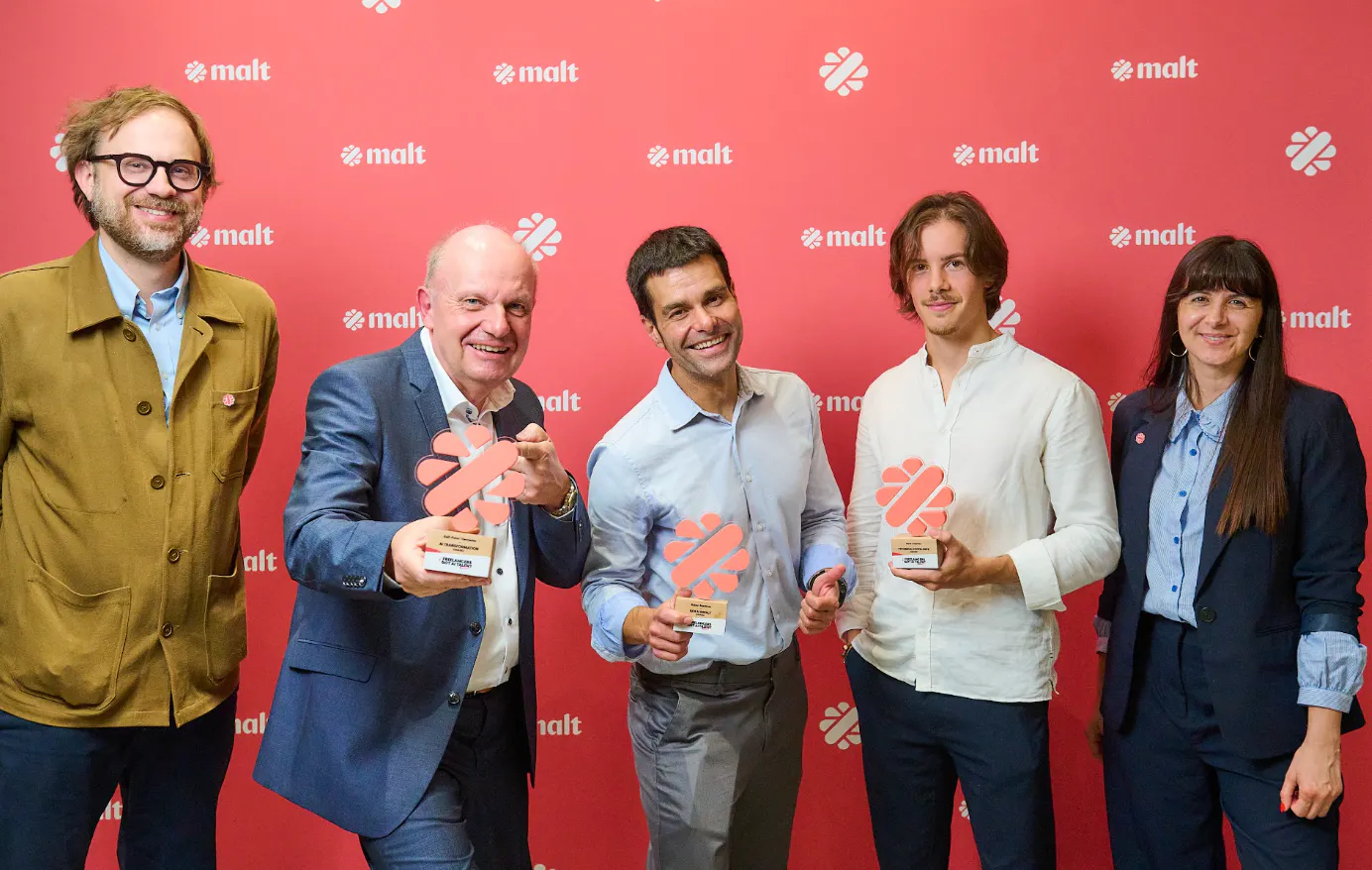
The Freelancers Got AI Talent Awards served as the ultimate live validation of this dynamic. Selected from 162 industrial-grade submissions across 28 countries, the 34 finalists represented the unquestionable front line of European digital execution, proving that the true center of gravity for AI breakthroughs has officially shifted to the independent expert community.
Category 1: Technical Excellence (Presented by Yann Bry & Arnaud Girard)
This category honored deep architectural elegance, robust data engineering, and RAG pipeline mastery.
- The Winner: Yanis Emeriau, Deep Learning Specialist.
- The Project: Yanis unlocked a critical technological bottleneck in oncology research through automated medical image segmentation. Working with data tolerances measured in microns, his production system proved that complex algorithmic precision can directly accelerate high-stakes clinical progress, showcasing how world-class engineering impacts patient outcomes.

Category 2: Gen AI Impact (presented by Michelle Johnson & Andrew Grill)
This award recognized a developer who successfully re-engineered a broken legacy corporate workflow to deliver immediate, undeniable financial ROI.
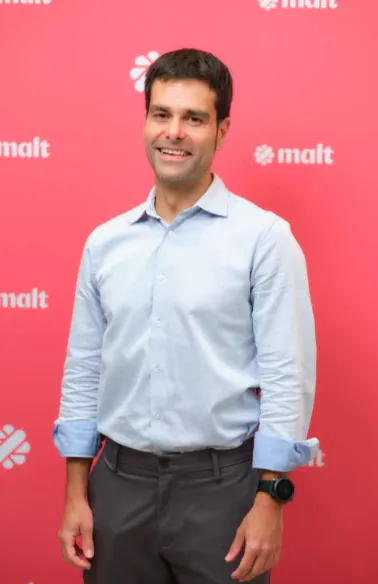
- The Winner: Rubén Martínez, AI Solutions Engineer.
- The Project: "The Autonomous Yard". Rubén transformed the deep friction of cross-border global logistics into a seamless, fully automated workflow. By combining custom Computer Vision networks with autonomous AI orchestration agents, he automated container tracking, routing, and verification, turning days of administrative delays into minutes of software execution.
Category 3: AI Transformation (presented by Marc Bussienne & Nicolas Debock)
This final award celebrated systemic organizational impact, cultural transformation, and the creation of long-term competitive moats for the enterprise client.
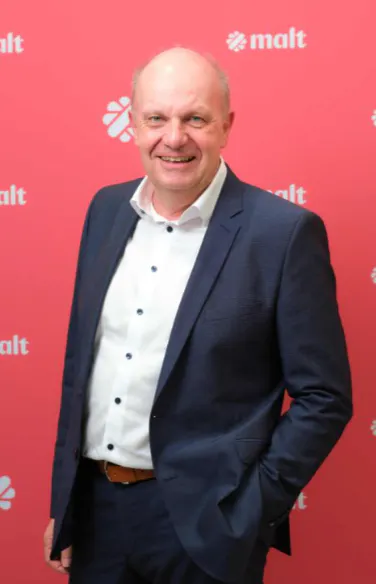
- The Winner: Ralph-Peter Hanrieder, Enterprise Architecture Consultant.
- The Project: "AI-Powered Partnership". Ralph-Peter successfully overhauled complex corporate claims management for a leading insurance firm. By bridging deep, large-scale data architecture with on-the-ground field operational realities, he successfully aligned highly skeptical corporate stakeholders. He constructed an intuitive system where human expertise and automated intelligence work in tandem (Human-in-the-loop), anchoring lasting cultural agility.
Beyond these three winners, every single finalist in this competition stands as a powerful proof point that independent experts are the true architects of this monumental AI shift across Europe.
4. Key takeaways: how to apply this today
- For Corporate Leaders (C-Suite, IT Managers): Stop recruiting fixed full-time profiles for fluid tech stacks that evolve every month. The Malt Tech Trends 2026 report proves that agility resides within the independent workspace. Leverage "Intelligence Liquidity": onboard senior freelancers to deploy your multi-agent grids (LangGraph, State Machines), audit your FinOps pipelines, and deliver real skill transfer to your internal teams.
- For the AI Freelancers: The premium for basic prompt engineering is gone. The market now demands underlying infrastructure fluency: multi-agent orchestration, automated evaluation frameworks (Evals), Small Language Model fine-tuning (SLM inference via vLLM), and ironclad compliance with the European AI Act guidelines.
5. Relive the Energy: Malt AI Night in motion
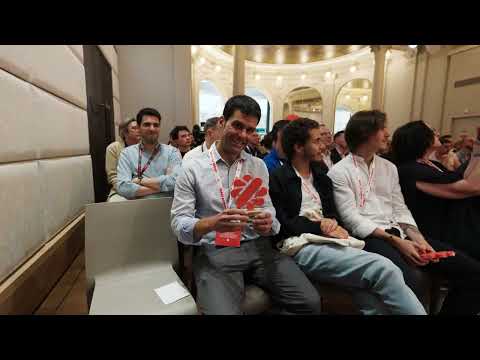
Missed the live event or want to experience the highlights again? Check out the official aftermovie and key moments from this milestone evening at the Pavillon Élysée T.
Moments from the Stage & the cocktail
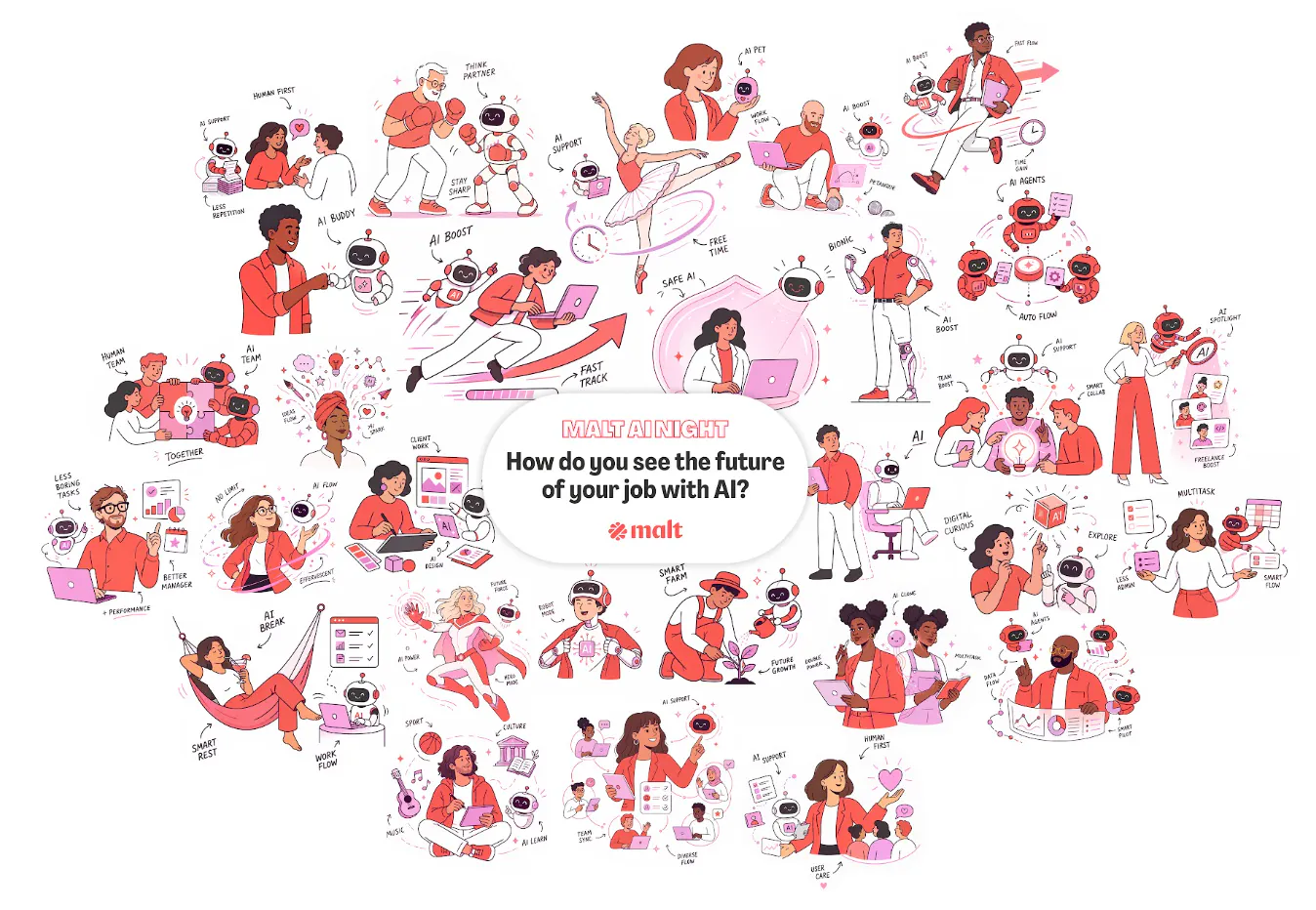
The Official Live Scribing Mural: Malt AI Night 2026 Captured
Here is the masterpiece created in real-time by our live scribing artist, Livio Adjovi, an AI freelancer on Malt. This powerful visual synthesis captures the core essence of the insights, debates, and future roadmaps discussed on stage—standing as a true visual testament to the Intelligence Liquidity and collective intelligence that filled the room during this milestone evening.
6. Ready to enter the era of industrial execution?
This is how we're building a more independent world of work, starting from our home. Malt. Home of independent work.
- Are you driving an enterprise AI roadmap? Do not let your org chart stall your deployment pipeline. Explore the Malt Marketplace today to search, filter, and connect with elite AI architects and engineers across Europe, and move your organization from speculative PoCs to production-grade reliability.
- Are you an AI expert freelancer? Position your profile where the demand is surging. Join Malt, highlight your LLM Ops capabilities, and watch our exclusive AI Malt Academy replays to master tomorrow's production-grade stacks.