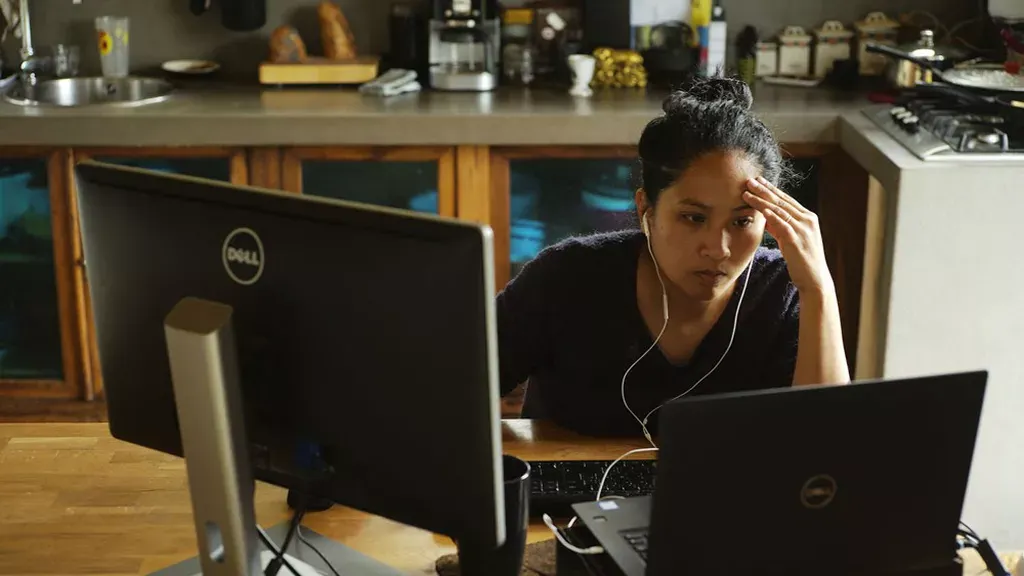
What is burnout?
When you’re stressed for a long time and this stress isn’t managed, you may experience burnout. It’s an “occupational phenomenon,” which means it’s not a medical condition, but it’s something that people might seek help and support for. It describes feelings caused by work-related pressure, rather than from other life stresses.
What does burnout feel like?
If you’re experiencing burnout, you may:
- lack energy and feel emotionally exhausted
- feel negatively about your work – you may feel detached or cynical
- be less efficient at work and feel inadequate or unable to accomplish things
- feel anxious, frustrated, or irritable
- experience physical symptoms like headaches or stomach ache
- have trouble sleeping
Burnout can also be linked with depression. These feelings can spill over into your life outside work, so it’s important to recognise the signs and take action.
What causes burnout?
It’s thought that there are six key areas that can contribute to burnout:
How can I recover from burnout?
You may have identified areas in that list that affect you, but it can take time to address them. Luckily, there are other more immediate steps you can take to help reduce the effects of burnout.
Maintain work-life balance
It’s important to take time off work so you can relax. And remember to take breaks, too – they can improve your mood and performance. Try to schedule them on your calendar so they’re given the same importance you might give to meetings. Or you might find the Pomodoro technique helpful. This technique sets aside short bursts of focus time and encourages regular breaks in between. When we have a lot of work to do, it can be tempting to try and do it all in one go. But this isn’t always a productive use of our time, and it can wear us out.
Set clear boundaries — for instance, define a finish time, separate your workspace from your living space, or create small rituals to ‘switch off’.
Sleep
When you’re overworked, your sleep can be one of the first things to suffer. Perhaps you stay up late or get up early to make a dent in your to-do list. However, after 17 hours of being awake, your attention and cognitive control may be almost the same as the legal blood alcohol limit for driving. Sleeping well is also important for your health.
To help stave off burnout, try to get the recommended seven to nine hours of sleep each night. And if you’re having difficulty sleeping, consider seeking help from a medical professional.
Exercise
Being physically active is one of the best things you can do to improve your physical health, but it also has benefits for your mental health. Large studies have found that physical activity and exercise can reduce stress and improve your mood. Exercise also has some protective effects against conditions like depression, which can be a long-term consequence of prolonged burnout. But don’t worry if the gym isn’t your thing – there are lots of ways you can add more activity into your life. Why not try slotting a 15-minute body weight workout or some high-intensity interval training into your day?
Stay connected
If you feel overworked, you might lose time with family and friends. But humans are inherently social creatures, so spending time with people you like may improve your wellbeing. Connecting with fellow freelancers through communities like Malt, local meetups or online groups can help you feel supported and understood. And feeling connected to other people is good for both your physical and mental health.
Get creative
Therapies that use creative techniques – such as art, music, dance or drama – have been shown to reduce stress. Emerging evidence suggests that these creative arts can be an effective way of managing stress. Taking part in these creative activities may also give you something to focus on outside of work. If you don’t know where to start, try something like daily journaling. Expressing yourself through writing can help manage symptoms of stress and help you figure out what’s causing it.
Practise mindfulness
Mindfulness is the practice of focusing on the present moment and being an impartial observer of thoughts and emotions as they pass by. Studies have linked mindfulness with improved wellbeing, and it’s been shown to reduce anxiety and stress in healthcare professionals. Just taking a moment to focus on your breathing when you feel stressed could be helpful.
If you’re worried about your mental health, Bupa's direct access service aims to provide you with the advice, support and treatment you need as quickly as possible. You’ll be able to get mental health advice and support usually without the need for a GP referral.
Learn more about Bupa by You offer for Malt freelancers.
Co-authored by Lucy Kapoutsos, Health Content Editor at Bupa UK